
Allegiance Education
From a classroom to a national institute.
Brand Strategy · Identity · Print+62% admissions

Brands people remember.
Positioning first, then an identity that carries it: a brand your customers can describe back to you.
Branding is the decision about what you stand for, made visible. We start by finding the argument your brand should make. Who is it for, and where has the market got it wrong? Only then do we design the logo and the visual identity, and the applications that carry them.
The result is not a logo file. It is a system that a founder, a printer or a junior designer can pick up without calling us. It still looks like one company on a prospectus, a pack, a sign and a screen.
Logo, Visual Identity, Brand Strategy, and everything it takes to put them to work.
A written position: audience, promise, proof, tone, that every later decision is tested against.
The mark itself, drawn properly. That means construction rules and clear space, plus minimum sizes and one-colour versions.
Rules for colour, type, imagery and layout. They make the brand recognisable even without the logo.
Cards and letterheads, proposals and decks, prospectuses. These are the documents your brand gets judged by.
The physical surfaces where the brand has to hold up in a hand, on a shelf or on a wall.
A working document, not a PDF for the drawer: how to use the system, with examples of right and wrong.
The situations where this work pays for itself fastest. If two or three of these sound familiar, it is worth a conversation.
The founder describes the business one way, the sales team another and the website a third. The brand then has no agreed position, and customers hear that as uncertainty.
The work may have outgrown its first identity, and so may the team or the product. The old logo and materials then argue against the price you want to charge.
A launch is the cheapest moment to get the identity right. Changing it after a year of printed material and customer recognition costs more.
Material from different vendors drifts apart. The brochure looks unlike the invoice, and the signage looks unlike both. A system fixes that for good instead of one asset at a time.
These moments need a decision about what carries forward and what does not. A rebrand done with care keeps the equity and drops the baggage.
The same six-step discipline runs every project; here is how it shows up in this discipline.
We read your category and your customers, then your current materials. We note where the brand argues with itself.
One clear argument, written down in plain language before any pixel is drawn.
Concept routes on paper first: cheap to throw away, expensive to fall in love with.
The chosen route becomes a full identity. It covers the mark and the colour, the type and the imagery, with the rules to keep them together.
We design the real applications: print, packaging, digital, then document the system so your team can run it.
A mark with nothing to say. We settle the argument first so the identity has something to express.
A tidy website and a prospectus that looks like someone else's. We design for every touchpoint a customer meets.
Edtech trying to look like fintech, a wellness brand in hospital blue. We design for the category's gravitas without copying its clichés.
An identity that decays the moment the designer leaves. Guidelines and templates keep it coherent without us.
Most are easy to avoid once you can see them. Each one costs time or money later.
A logo drawn before the position is decided is decoration. Strategy first means every later choice, from colour to tone, has something to be tested against.
Founders and committees often pick what they personally like. The question is what your buyer will recognise and trust, and that is usually answerable with a few honest conversations.
A mark with no rules for colour or type or spacing is a file, not a brand. The system keeps a growing team consistent.
Guidelines that live in one person's head disappear when that person leaves. Written, practical guidance is cheap insurance.
Every engagement gets a written scope. This is how the line usually falls, so nothing surprises you.
Positioning and brand strategy written down; Logo and wordmark with usage rules; Colour, typography and imagery system; Stationery and core collateral; Brand guidelines for your team and vendors.
Printing and production costs; Paid stock photography or font licences beyond the agreed set; Trademark search and registration, which need a qualified professional; Website build and ongoing marketing, which are separate services.
From a classroom to a national institute.
Brand Strategy · Identity · Print+62% admissions
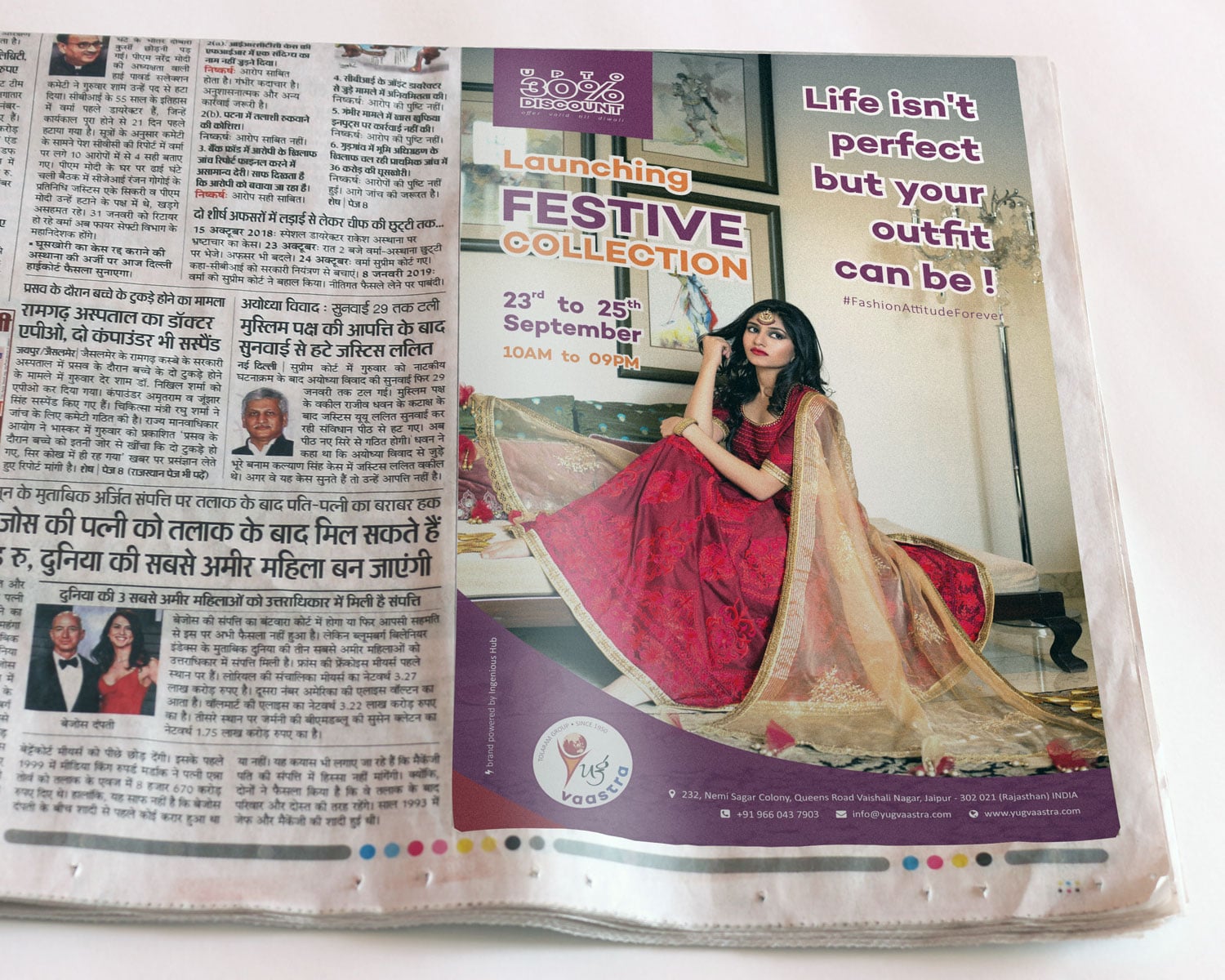
Heritage that ships.
Identity · Stationery · PackagingDay-1 wholesale ready

A debossed mark for a category-creator.
Identity · SignageLaunch ready in 9 wks
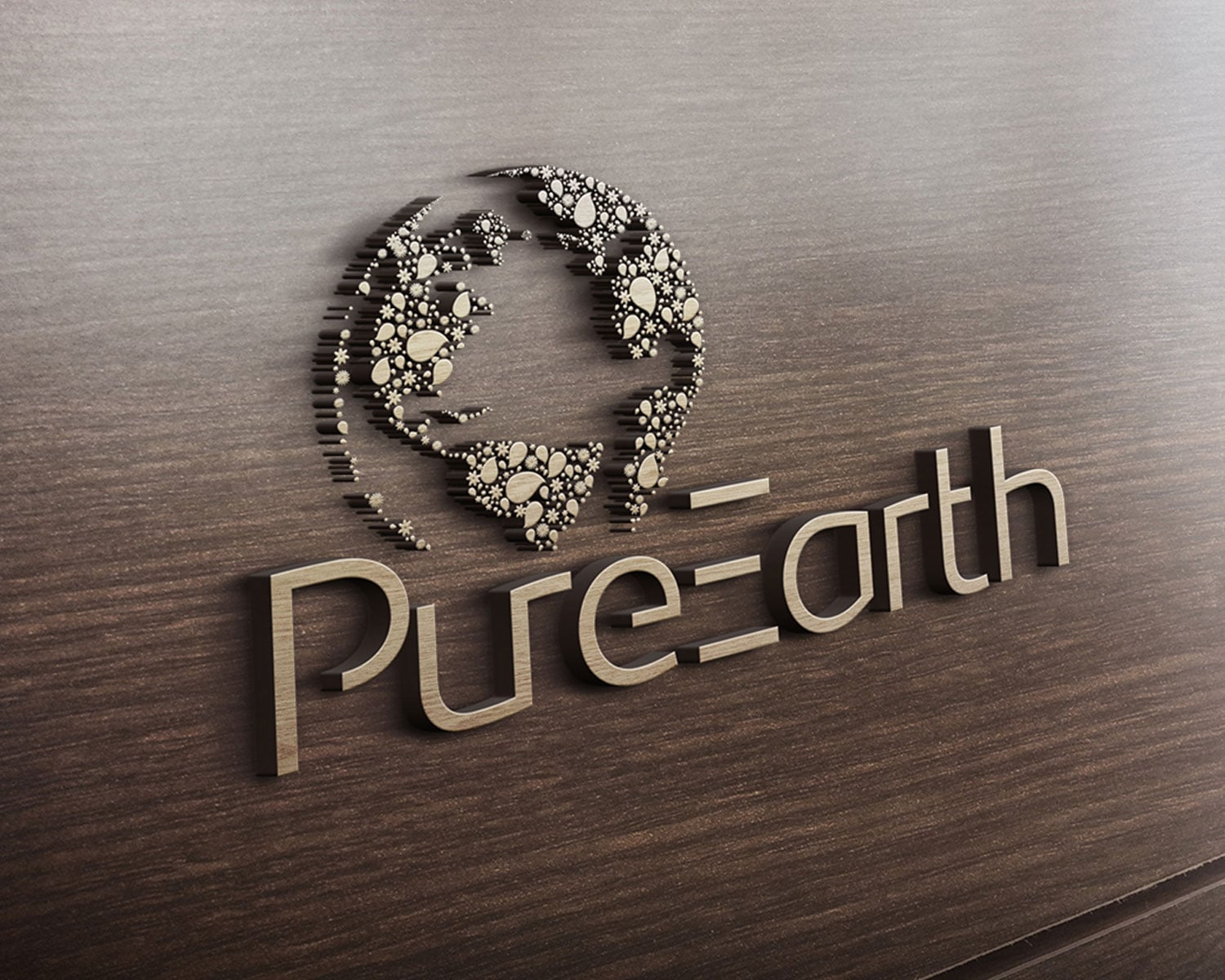
An identity that reads as a promise.
Identity · Web+33% donor sign-ups

A crest worth its lineage.
Identity · PrintCohort filled in 6 wks
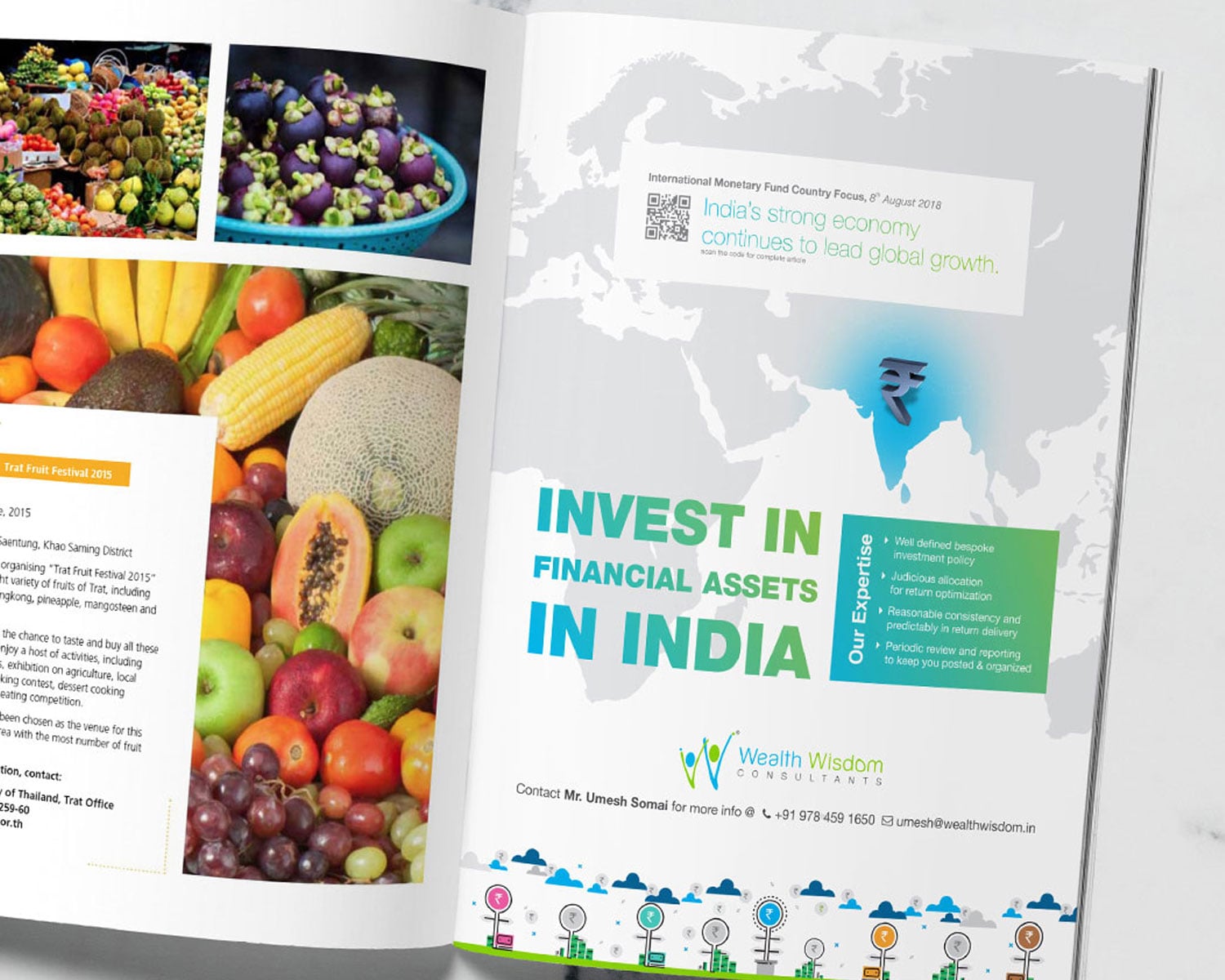
A rebrand from W to W+.
Identity RefreshQ1 AUM uplift
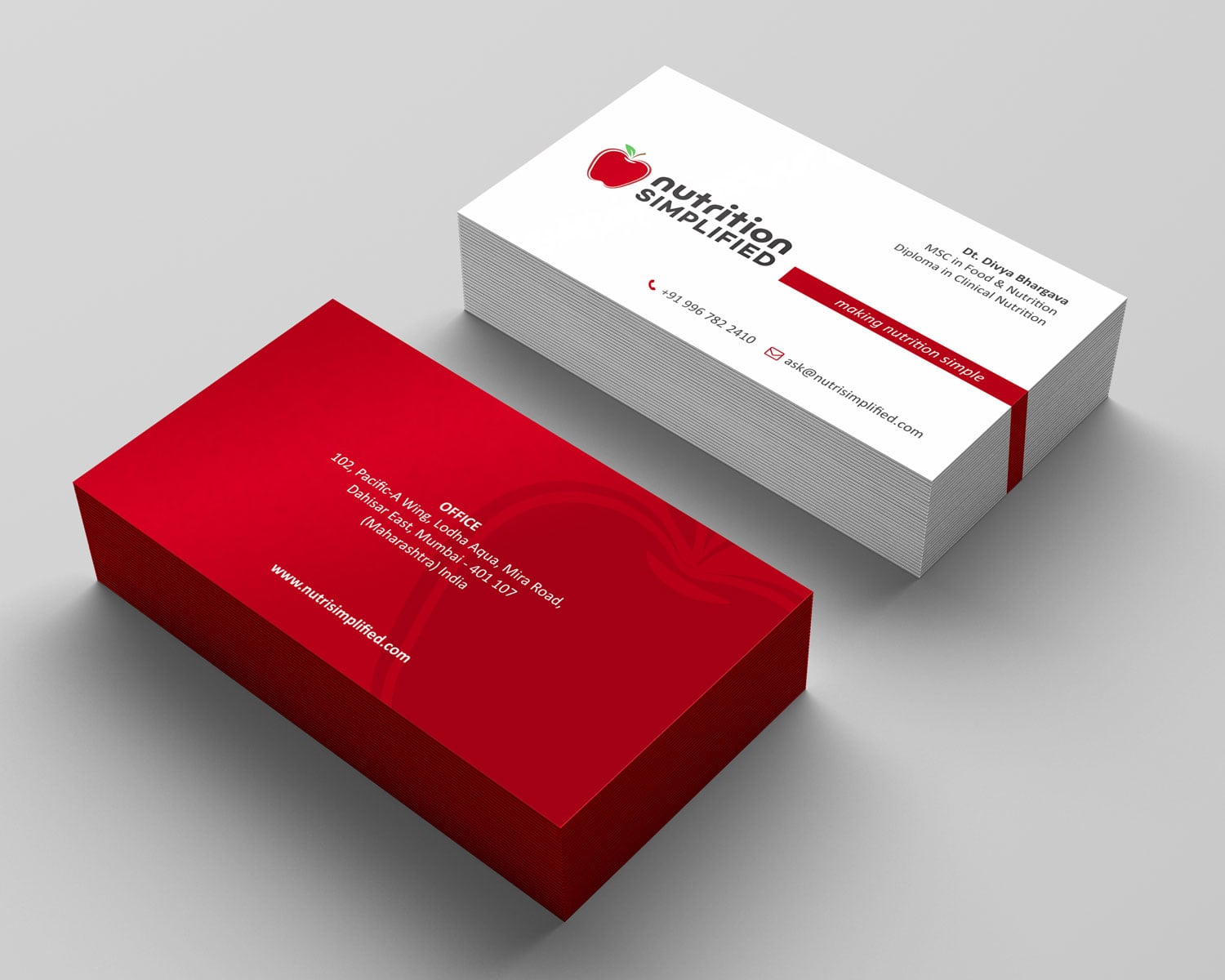
An apple, but make it a system.
Identity · Packaging · ContentLaunch in 7 wks
A precise mark for a precise consultancy.
Identity · Founder Branding · LinkedIn2 enterprise pilots
Sectors where we have done this work, with the brands and cases behind each.
Useful whether you hire us or someone else.
Terms you will hear: Brand strategy, Positioning, Brand guidelines, Logo suite, Rebrand vs refresh. See the whole glossary.
You are paying for thinking time, design time and a system that holds up in use. A logo alone is the smallest part of the work. That is why a quote for a logo-only job cannot be compared line by line with a full identity.
Four things decide it. How much of the problem is strategy? How many surfaces must the brand cover? How many stakeholders need to agree? How fast is it needed? More surfaces and more approvers add time.
Printing and production are normally separate, and so are licences and third-party filings. The written scope should say so plainly before you start.
Starting point: From ₹75,000, excluding taxes. Typical timeline: 4–9 weeks. Exact figures come after a short conversation, in writing.
Something we haven’t covered? Ask us directly.
A logo is one mark. An identity is the system around it, covering colour and typography, imagery, layout and tone. That system keeps a brand recognisable even when the logo is not on the page. We design both, and the second matters more.
Strategy. We don't open design software until we have answered who the brand is for and how the market has it wrong. It is the cheapest stage to change your mind in.
Sometimes that is the right call. For Wealth Wisdom Consultants the work was an identity refresh from a W to a W+, with new stationery and a calmer, trust-led palette. We will tell you honestly if a refresh is enough.
You get the strategy and positioning brief, the logo and wordmark, and the full identity system. The applications are the ones we agree in the proposal (stationery, packaging, print or digital). A guidelines document lets your team carry on alone.
Scope drives both: a stationery refresh and a packaging system for a launch product are different jobs. The brief form asks for a budget range so our proposal is realistic. We reply within four working hours with the next step.
Founders launching a brand are a core part of who this is for, often the best time to get the position right, before it hardens into habit.
From ₹75,000 is the published starting point. The pricing page explains what moves the number, and after a short conversation we send a written scope and a fixed price.
Yes: Allegiance Education (From a classroom to a national institute) and Yug Vaastra (Heritage that ships). Each case study states the problem, the decision and the scope.
We reply within four working hours, from a person.
See what Branding & Identity starts atFree brand audit
Last reviewed