
Technical products need a story the product can’t tell alone.
Buyers are technical and sceptical, with little time. The brand has to be as precise as the product.
- 50 brands on our roster
- 4 case studies
- How we approach it
In B2B, the product is often better than the way it is explained.
Software firms describe themselves by feature list, and infrastructure and consulting firms do the same. Buyers skim, compare in a tab and move on. The company that explained its point of view first, and clearly, usually wins the call.
Early-stage and founder-led firms have a second problem: the brand is the founder. Credibility has to be built in public: on LinkedIn, in decks, on a site that reads like an operator wrote it.
What B2B / Tech brands usually get wrong.
These are patterns in the category, not a verdict on any one company. Each one is fixable, and most are cheaper to fix early.
Explaining features, not outcomes
A technical buyer wants to know what problem disappears and how fast. A page full of features makes them assemble the answer themselves, and many will not bother.
A site that doubles as documentation
Documentation and marketing have different jobs. Mixing them produces a site that is too dense for a first visit and too thin for an evaluator.
Generic stock imagery
Handshakes and laptops tell a sceptical buyer that nobody invested in explaining the product. Abstract globes say the same. Real diagrams and screenshots earn more trust.
An anonymous company
B2B decisions are made by people who want to know who is behind the product. A visible founder and team lower perceived risk.
No path for different buyers
The user and the technical evaluator need different information, and so does the budget holder. One undifferentiated page serves none of them well.
How we approach B2B / Tech.
Position before pixels
We decide who the product is for and what it is better at, then write that down in plain language before any design starts.
Make the site behave like a sales asset
Structure and speed are designed around the buyer’s path, and so are the calls to action. Product UI and marketing site share one system.
Give the founder a voice
Founder-led content helps a small team look as serious as it is. So do decks and a consistent identity.
What good looks like.
Five markers we hold B2B / Tech work to, whoever does it.
A sentence a buyer can repeat internally
The positioning survives being forwarded in a message to a colleague.
Proof over adjectives
Real screens and diagrams, with integrations and customer context. These replace claims.
A site built as a sales asset
Clear paths for evaluators and for decision-makers. Forms stay short and pages load fast.
A visible human voice
Founders and experts explain the thinking in their own words.
Consistent from deck to docs
Sales material, website and product share one visual and verbal system.
Selected work in B2B / Tech.
50 brands, in good company.
The B2B / Tech brands on our roster. Select any brand to see where we worked with it.
Explore all clientshas a published case study
How the five services apply in B2B / Tech.
Most engagements start with one discipline and add another when it earns its place. Here is what each one means in this sector.
Website & UI/UX
A fast, structured site with clear product pages and honest pricing paths. Proof and sales-ready forms are built in. The team can maintain it.
Branding & Identity
Positioning and identity that make a technical product legible to buyers. The system holds across the site and the decks. Documentation and events use it too.
PR & Growth
Thought leadership and founder positioning give a young product credibility with the people who evaluate it. Trade press does the same.
Performance Marketing
Search and paid campaigns aimed at intent. They target the problems buyers search for and the comparisons they run. The pages that capture a demo or trial request come last.
Creative & Content
Explainer films and product visuals simplify complex ideas without dumbing them down. Diagrams and campaign content do the same.
See how a project runs, from first conversation to shipping, or get a sense of cost first.
Before you hire an agency for B2B / Tech.
Questions worth asking any studio, including us.
- Ask how the agency learns a technical product well enough to write about it accurately.
- Ask who the first-draft copy is written by, and how technical review is handled.
- Ask how the site will serve different buyers. The user, the evaluator and the approver each need something.
- Ask what is measured: demo requests, trials, qualified pipeline, not page views.
- Ask how the identity will extend to the product UI. Ask the same about documentation and events.
- Ask who owns the design files after handover. Ask the same about the website and the analytics.
Claims about security and compliance certifications should be accurate and current. The same goes for uptime and customer results. Only state what you can document. Update pages when the product or its certifications change.
Asked often in this sector.
Something we haven’t covered? Ask us.
What makes branding for B2B & Technology different?
Buyers are technical and sceptical, with little time. The brand has to be as precise as the product.
What do you design for B2B & Technology brands?
Position before pixels. We decide who the product is for and what it is better at, then write that down in plain language before any design starts. Make the site behave like a sales asset. Structure and speed are designed around the buyer’s path, and so are the calls to action. Product UI and marketing site share one system. Give the founder a voice. Founder-led content helps a small team look as serious as it is. So do decks and a consistent identity.
How do you explain a technical product to a sceptical buyer?
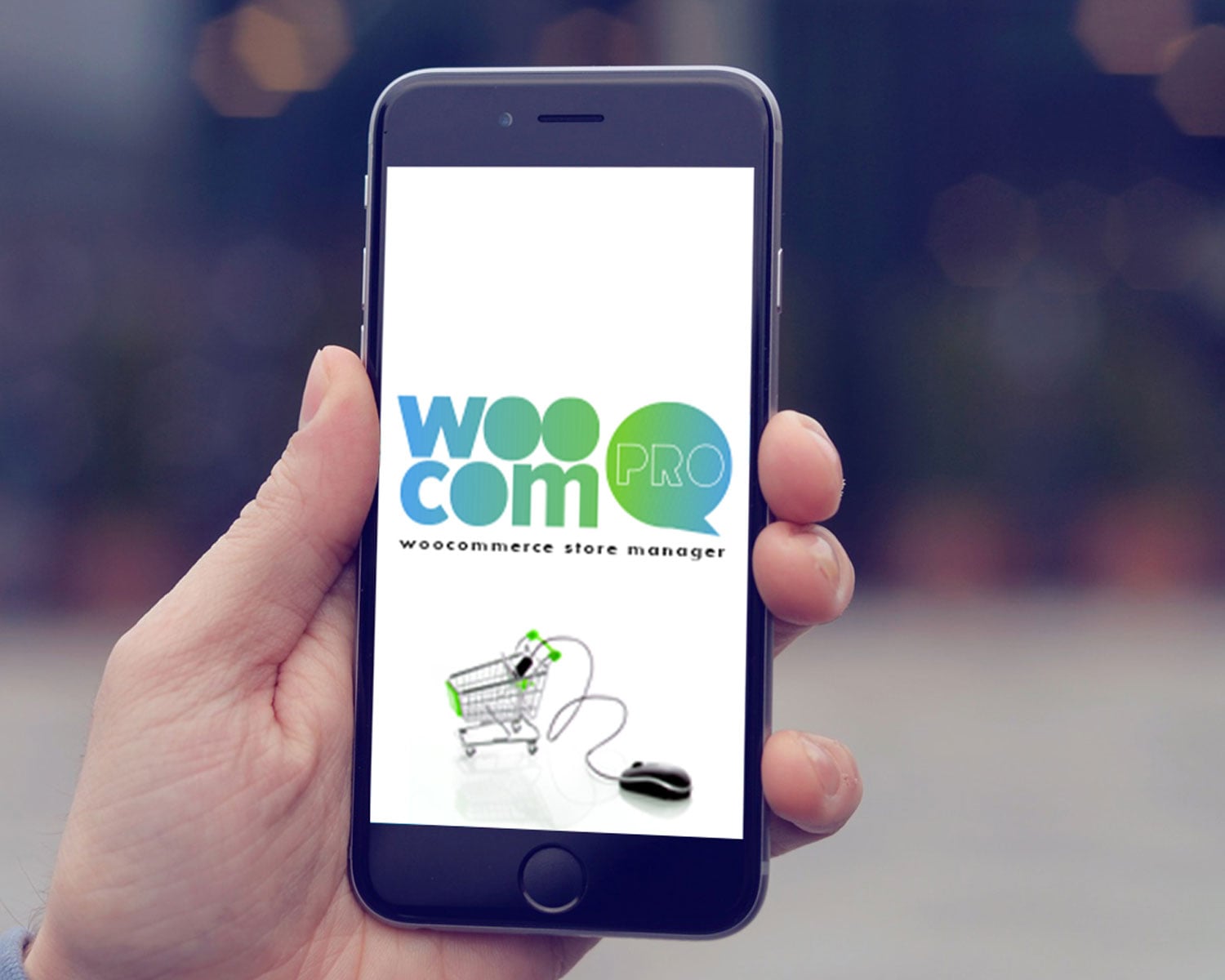
Buyers are technical, sceptical and short of time, so the brand has to be as precise as the product: the claim, the proof and the next step in plain language. WooCom Pro is an example of a SaaS site that talks like an operator.
Do you design product UI as well as marketing sites?
For WooCom Pro we worked on the repositioning and the product UI of a WooCommerce store manager.
Can you design sales decks and proposal systems?
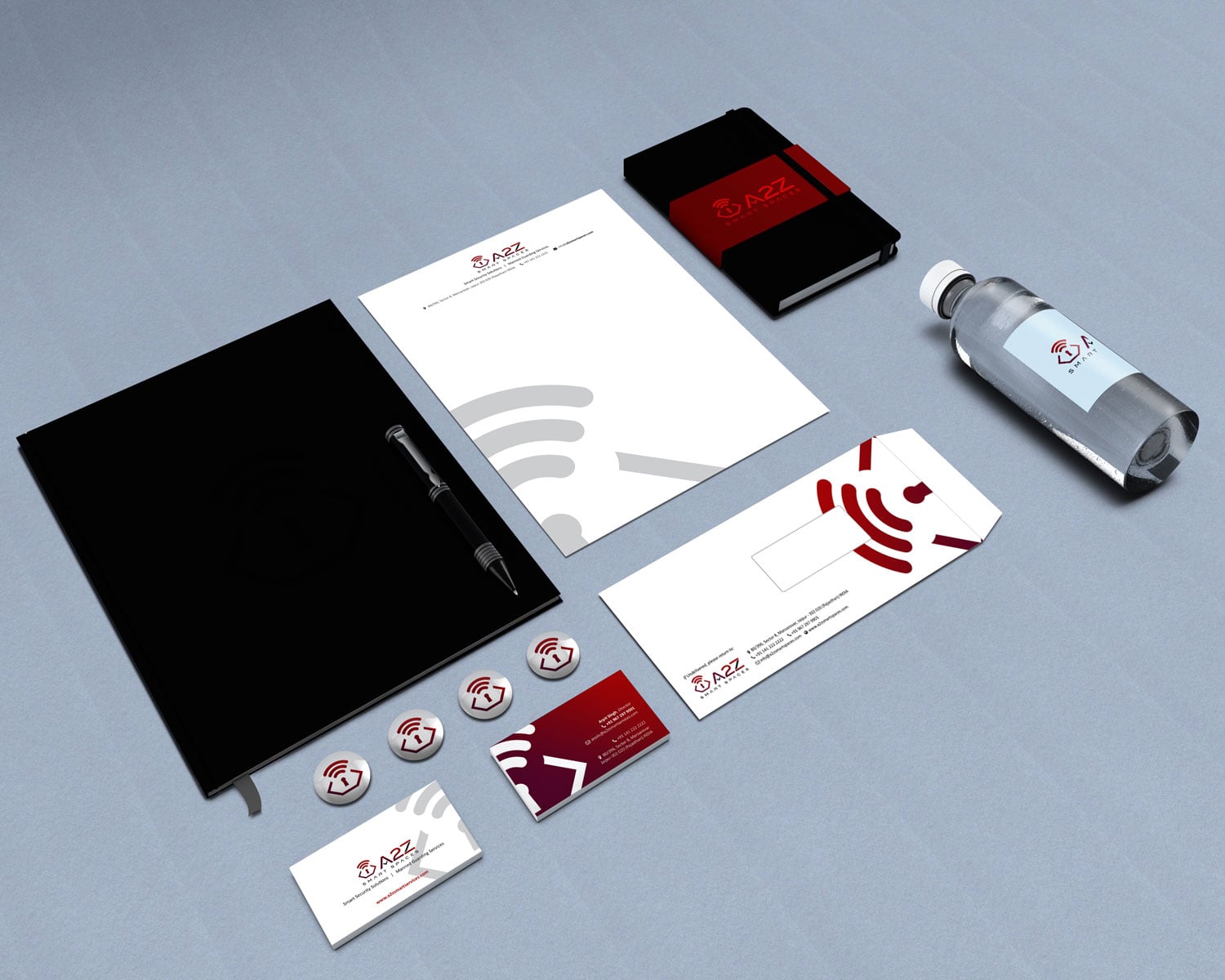
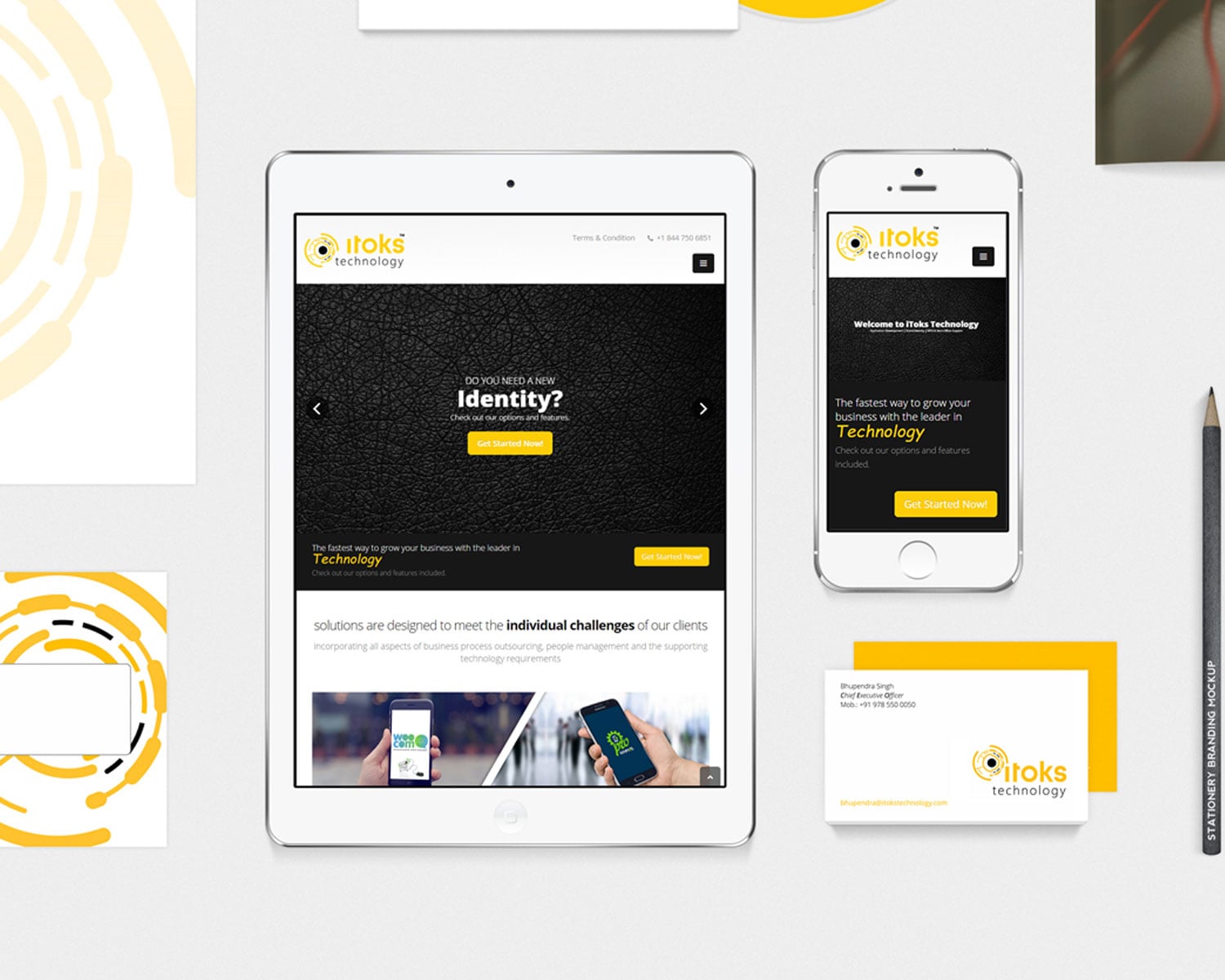
iTeks Technology included an identity refresh and a deck system for the sales motion; A2Z Smart Spaces included stationery and a proposal system.
Can you build a founder's LinkedIn presence?
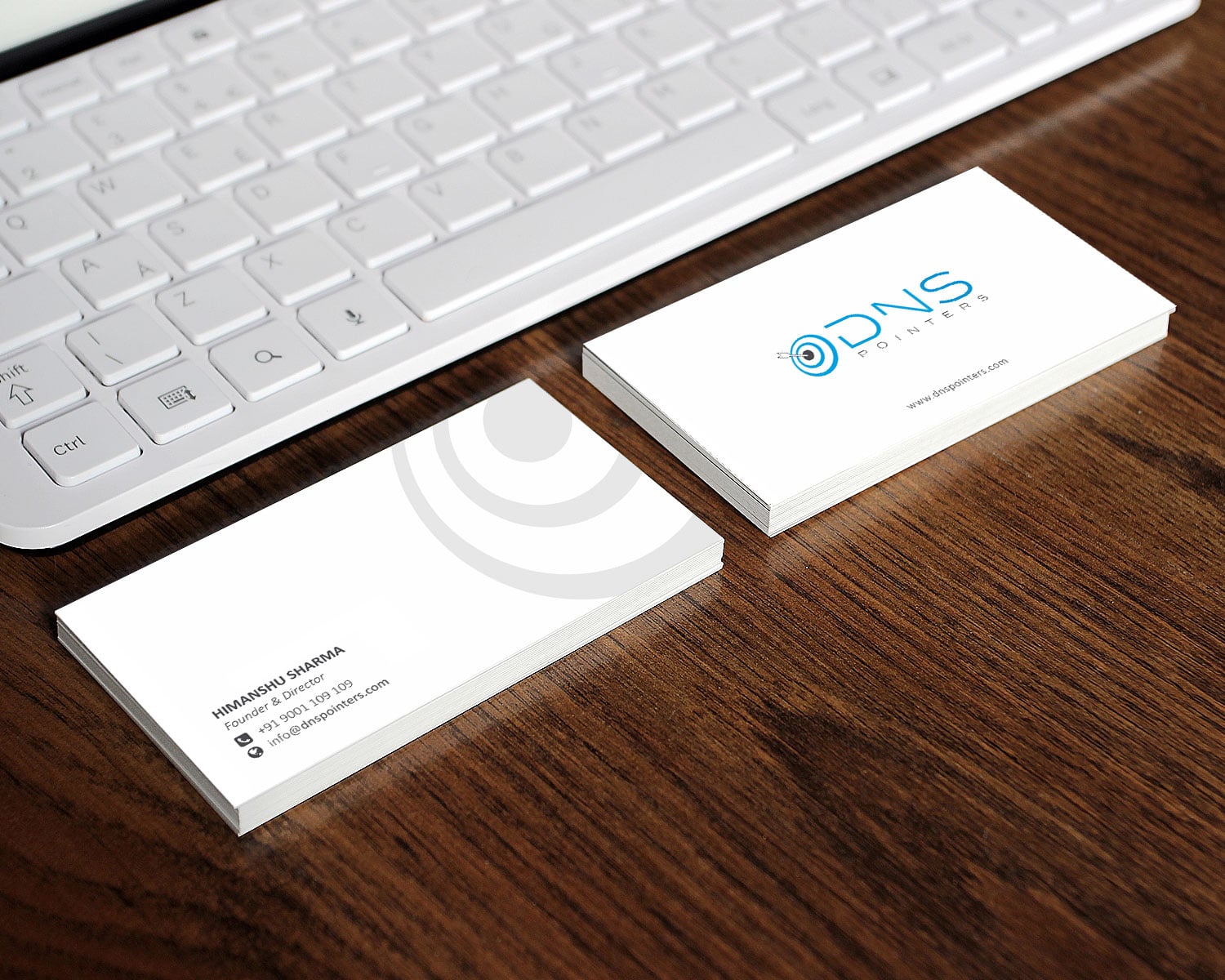
DNS Pointers combined a precise identity with LinkedIn-first founder branding.
Which B2B & Technology brands have you worked with?
We have worked with 50 brands in this category; the projects with full case studies are DNS Pointers, WooCom Pro, A2Z Smart Spaces, iTeks Technology. The full list is on the clients page.
Who checks claims and compliance in B2B & Technology work?
Claims need an owner. We ask you to confirm every claim before it publishes and recommend that your own adviser review anything regulated. Claims about security and compliance certifications should be accurate and current. The same goes for uptime and customer results. Only state what you can document. Update pages when the product or its certifications change.
Do you work with B2B & Technology brands outside Jaipur?
The studio is in Jaipur. The work runs over calls and email, with WhatsApp for the quick questions, and we have clients across India and beyond.
What should I prepare before the first call?
Send whatever you have. Current materials help, and so does knowing who you sell to and what has and has not worked. A rough budget band is useful too. Rough is fine; the first conversation is for sorting out the rest.
Building in B2B / Tech? Let’s talk.
Send the brief you have, even rough. We’ll tell you plainly how we’d approach it and what we’d do first, within four working hours.
or write to hello@ingenioushub.com. We reply within four working hours.
See what Website & UI/UX starts atFree brand audit
Last reviewed