
Brands built for the shelf and the scroll.
Packaging gets two seconds on a shelf and one thumb-flick online. The identity has to survive both.
- 15 brands on our roster
- 4 case studies
- How we approach it
A D2C brand lives in two places at once, and most are only designed for one.
Founders often arrive with a good product and a logo that was drawn to be approved. It was never drawn to be recognised on a carton or a courier box. A reel thumbnail and a wholesale catalogue test it too.
Heritage labels have the reverse problem: decades of equity, wrapped in a look that looks dated to the customer they want next. The job is to carry the lineage forward without costume.
What D2C brands usually get wrong.
These are patterns in the category, not a verdict on any one company. Each one is fixable, and most are cheaper to fix early.
A logo drawn to be approved, not recognised
A mark that looks fine on a slide can fail on a 40-millimetre label. It can fail on a courier box or a profile picture too. The test is recognition at the smallest and busiest size, not approval in a meeting.
Designing the pack and the page separately
Packaging may come from one vendor and the store from another. The unboxing and the first visit then disagree. Customers feel the gap even when they cannot name it.
Too many colours, no hierarchy
Every SKU gets its own palette and the range stops looking like one brand. A system needs one anchor and a clear rule for how variants shift.
A story too long to repeat
Founder journeys and ingredient lists matter, but a customer needs a line short enough to say to a friend. If the story needs a paragraph, it will not travel.
Marketplace blind spots
Large marketplaces strip a brand down to a thumbnail and a title, with a few images. If the identity only works on your own site, it disappears where much of the buying happens.
How we approach D2C.
Start from the touchpoint list
We map where the brand will actually appear, from the pack and the shelf to signage, social and wholesale. Then we design the system to hold at the smallest and the loudest of them.
Packaging is the first piece of media
Pack, stationery and signage are designed together. A launch SKU then looks like a brand, not a product with a sticker.
Keep the story short enough to repeat
A line a customer can say to a friend beats a manifesto. The identity and the copy are written to be remembered.
What good looks like.
Five markers we hold D2C work to, whoever does it.
Recognisable in two seconds
A shopper can identify the brand on a shelf without reading the name. The same is true of a thumbnail or a story frame.
One system from pack to page
Packaging and store, social and print all share one type, one colour and one voice. Every touchpoint reinforces the last.
A repeatable line
A short, true statement of what the brand is for, used the same way everywhere.
Range logic
A new SKU can be added without a redesign. The rules for colour and layout and naming already exist.
Ready for wholesale and retail
Catalogues and display material feel like the same brand as the online store. So does signage.
Selected work in D2C.

15 brands, in good company.
The D2C brands on our roster. Select any brand to see where we worked with it.
Explore all clientshas a published case study
How the five services apply in D2C.
Most engagements start with one discipline and add another when it earns its place. Here is what each one means in this sector.
Branding & Identity
The name and the mark, the packaging system and the voice, all designed around the real touchpoint list: shelf, shipper, marketplace thumbnail and social frame.
Creative & Content
Product photography, short video and campaign content follow one art direction. A launch then looks like a brand moment, not a pile of assets.
Website & UI/UX
A fast storefront that looks like the pack. It loads well on a phone and keeps the checkout path short. The design carries the brand without slowing the sale.
Performance Marketing
Paid social and search run on creative that is consistent with the brand. Offers and landing pages are tested one at a time. Everything is measured on cost per order.
PR & Growth
Founder stories and launch coverage, plus gifting moments, give press and creators a reason to talk about the brand beyond the sale.
See how a project runs, from first conversation to shipping, or get a sense of cost first.
Before you hire an agency for D2C.
Questions worth asking any studio, including us.
- Ask to see how the identity performs at small sizes. Ask for it in one colour, and on dark and light backgrounds.
- Ask whether packaging, the store and social will be designed as one system. Ask who does it.
- Ask what is delivered for marketplaces: image templates, A+ content layouts, thumbnail rules.
- Ask how new SKUs and seasonal variants will be handled after launch.
- Ask who owns print-ready files and what the handover to your printer looks like.
- Ask how the agency separates brand work from performance spend, and what each is measured on.
Packaged goods carry mandatory label declarations and restrictions on claims, and food, cosmetics and wellness products have their own rules. Rules change. Check the current requirements and have labels and claims reviewed before printing.
Asked often in this sector.
Something we haven’t covered? Ask us.
What makes branding for D2C & Lifestyle different?
Packaging gets two seconds on a shelf and one thumb-flick online. The identity has to survive both.
What do you design for D2C & Lifestyle brands?
Start from the touchpoint list. We map where the brand will actually appear, from the pack and the shelf to signage, social and wholesale. Then we design the system to hold at the smallest and the loudest of them. Packaging is the first piece of media. Pack, stationery and signage are designed together. A launch SKU then looks like a brand, not a product with a sticker. Keep the story short enough to repeat. A line a customer can say to a friend beats a manifesto. The identity and the copy are written to be remembered.
Can you design packaging as well as the logo?
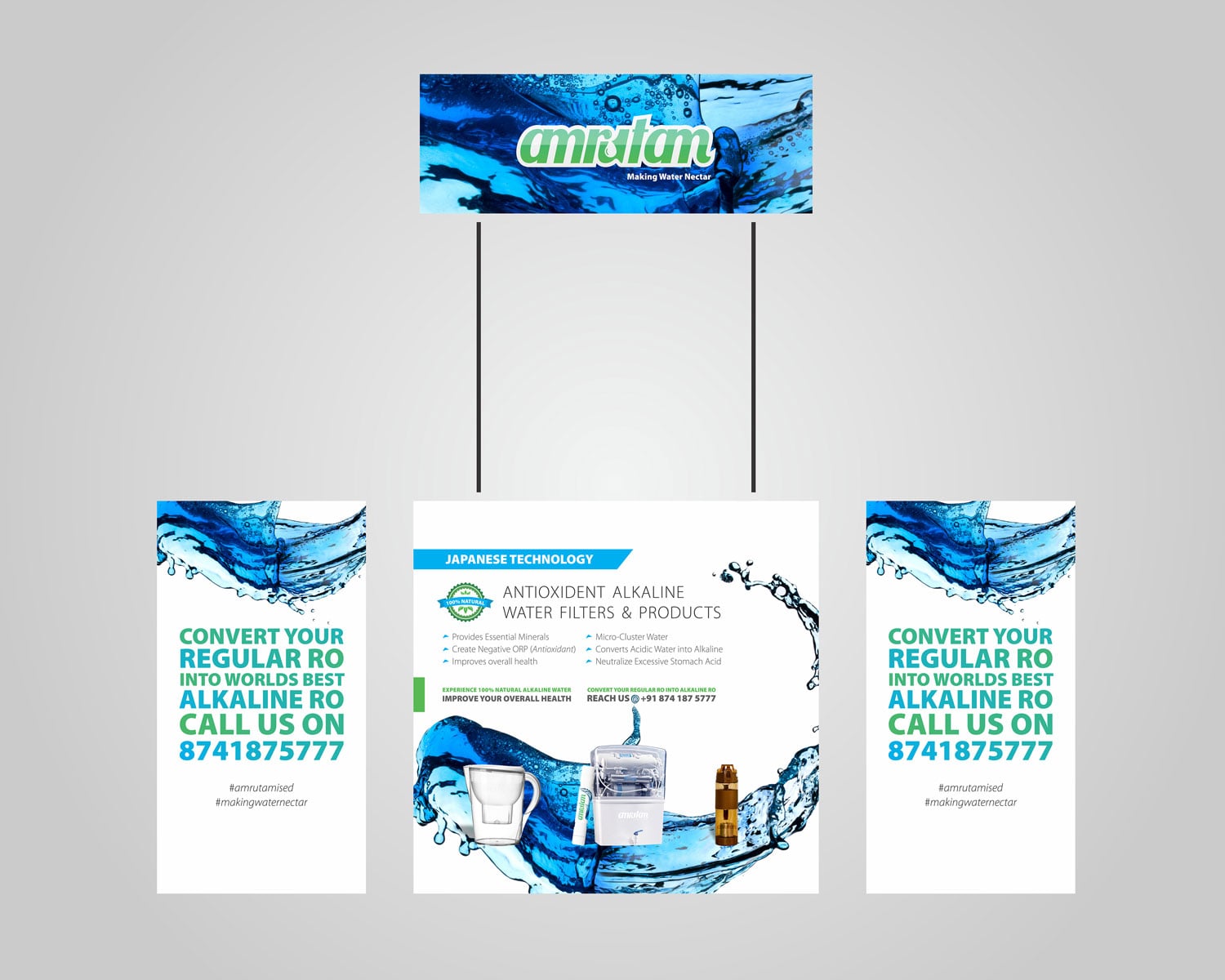
Volimy and Amritam included packaging systems. We design the pack together with the stationery and signage, so a launch SKU looks like a brand.
Can you refresh a heritage label without losing its equity?
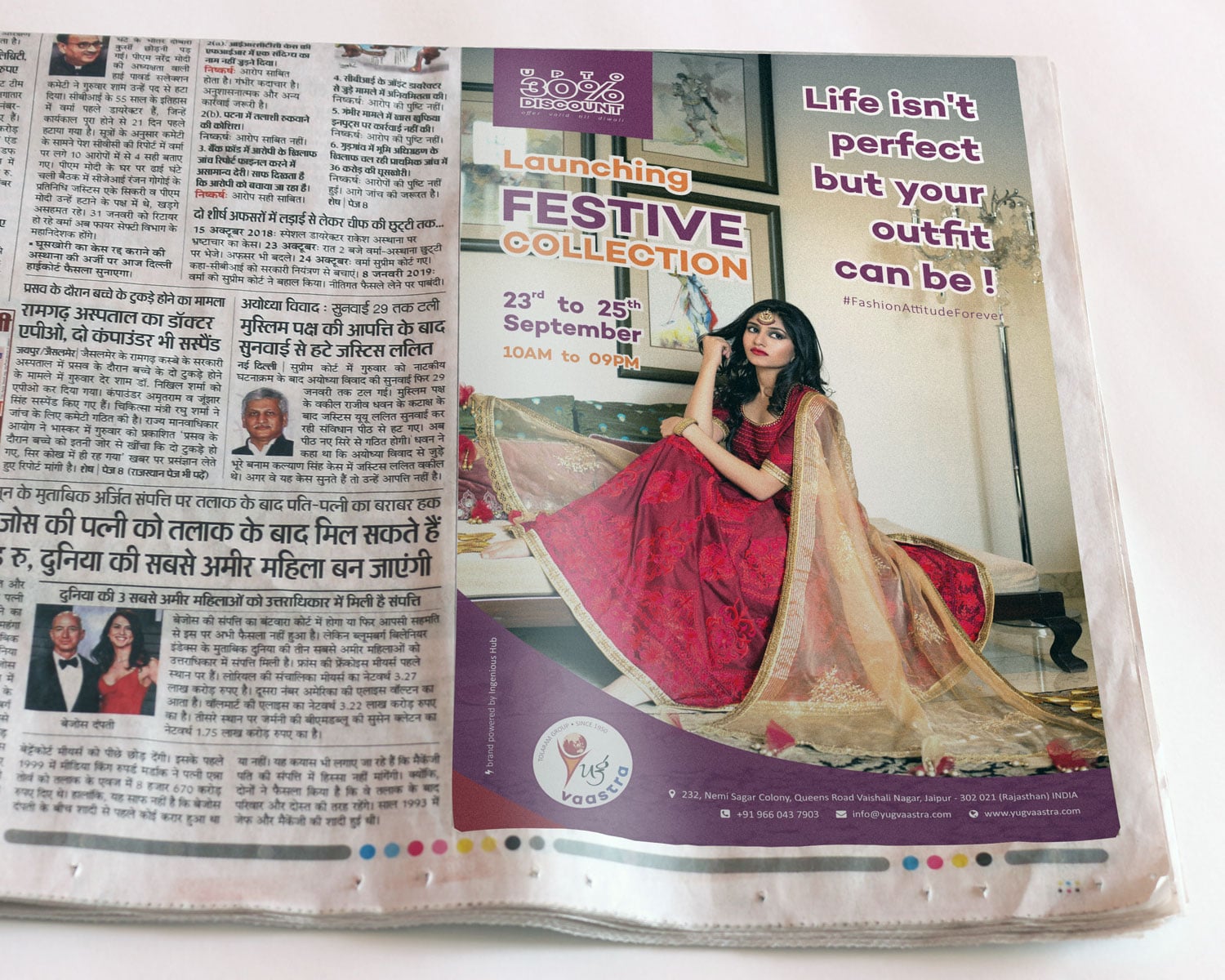
That is the job on Yug Vaastra. It was a heritage-meets-modern identity for a Tolaram Group label, with a circular monogram and stationery, and packaging too.
We are launching a first product. What do we need first?
A position and a name or mark that survives the pack and the courier box. It has to survive the thumbnail and the catalogue as well. We map the touchpoints, then design the system to hold at the smallest and loudest of them.
Do you also run social and ad creative?
Our creative and content team handles it, so the voice stays the same on social and in marketplaces. Print follows the same voice.
Which D2C & Lifestyle brands have you worked with?
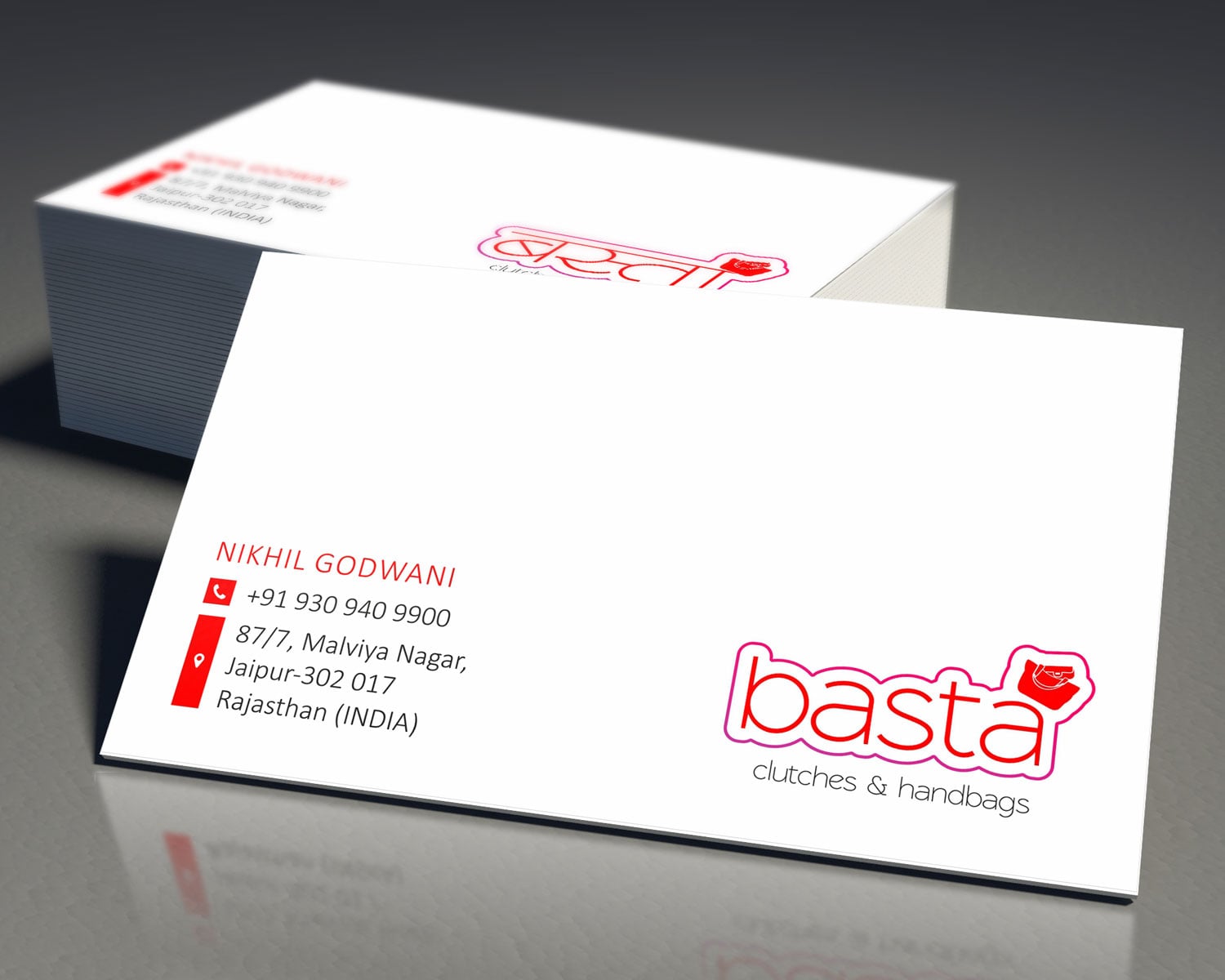
We have worked with 15 brands in this category; the projects with full case studies are Yug Vaastra, Volimy, Amritam, Basta. The full list is on the clients page.
Who checks claims and compliance in D2C & Lifestyle work?
Claims need an owner. We ask you to confirm every claim before it publishes and recommend that your own adviser review anything regulated. Packaged goods carry mandatory label declarations and restrictions on claims, and food, cosmetics and wellness products have their own rules. Rules change. Check the current requirements and have labels and claims reviewed before printing.
Do you work with D2C & Lifestyle brands outside Jaipur?
The studio is in Jaipur. The work runs over calls and email, with WhatsApp for the quick questions, and we have clients across India and beyond.
What should I prepare before the first call?
Send whatever you have. Current materials help, and so does knowing who you sell to and what has and has not worked. A rough budget band is useful too. Rough is fine; the first conversation is for sorting out the rest.
Building in D2C? Let’s talk.
Send the brief you have, even rough. We’ll tell you plainly how we’d approach it and what we’d do first, within four working hours.
or write to hello@ingenioushub.com. We reply within four working hours.
See what Branding & Identity starts atFree brand audit
Last reviewed