
Seven industries. One argument.
Every category has its own way of losing a customer. We’ve learned the difference between brands that look like their category and brands that sound like themselves.
How we approach a sector
A category is a set of habits. Buyers compare in a certain way and fear certain things. They trust some words and have stopped hearing others. Before we design anything for a sector, we learn those habits from the people inside it, because the fastest way to look like everyone else is to design for the category and forget the customer.
We start from three questions. Who actually decides, and who pays? What is the one doubt that stops a good prospect from saying yes? And which parts of the category's visual language are worth keeping because buyers rely on them, and which are just habit? The answers shape the identity far more than any moodboard does. They shape the website and the campaign too.
Then we build it as one system. Branding and web sit in the same team as marketing, content and PR. The signboard, the landing page and the ad all argue the same thing. The result is a brand that is easier to remember and easier for your own team to apply.
All industries
Education & Edtech
The student uses the product; the parent signs the cheque. A brand has to win both rooms.
How we approach Edtech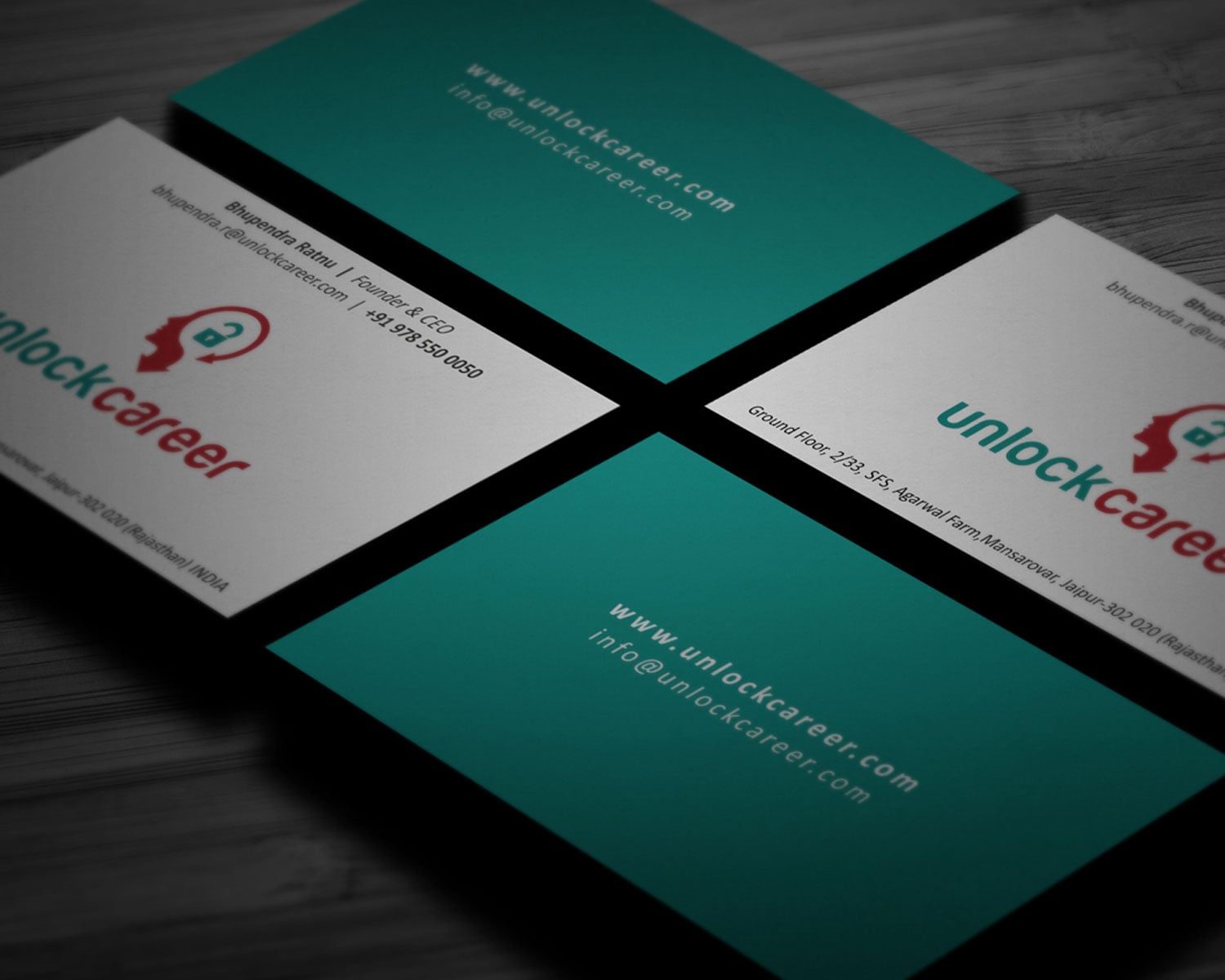
D2C & Lifestyle
Packaging gets two seconds on a shelf and one thumb-flick online. The identity has to survive both.
How we approach D2C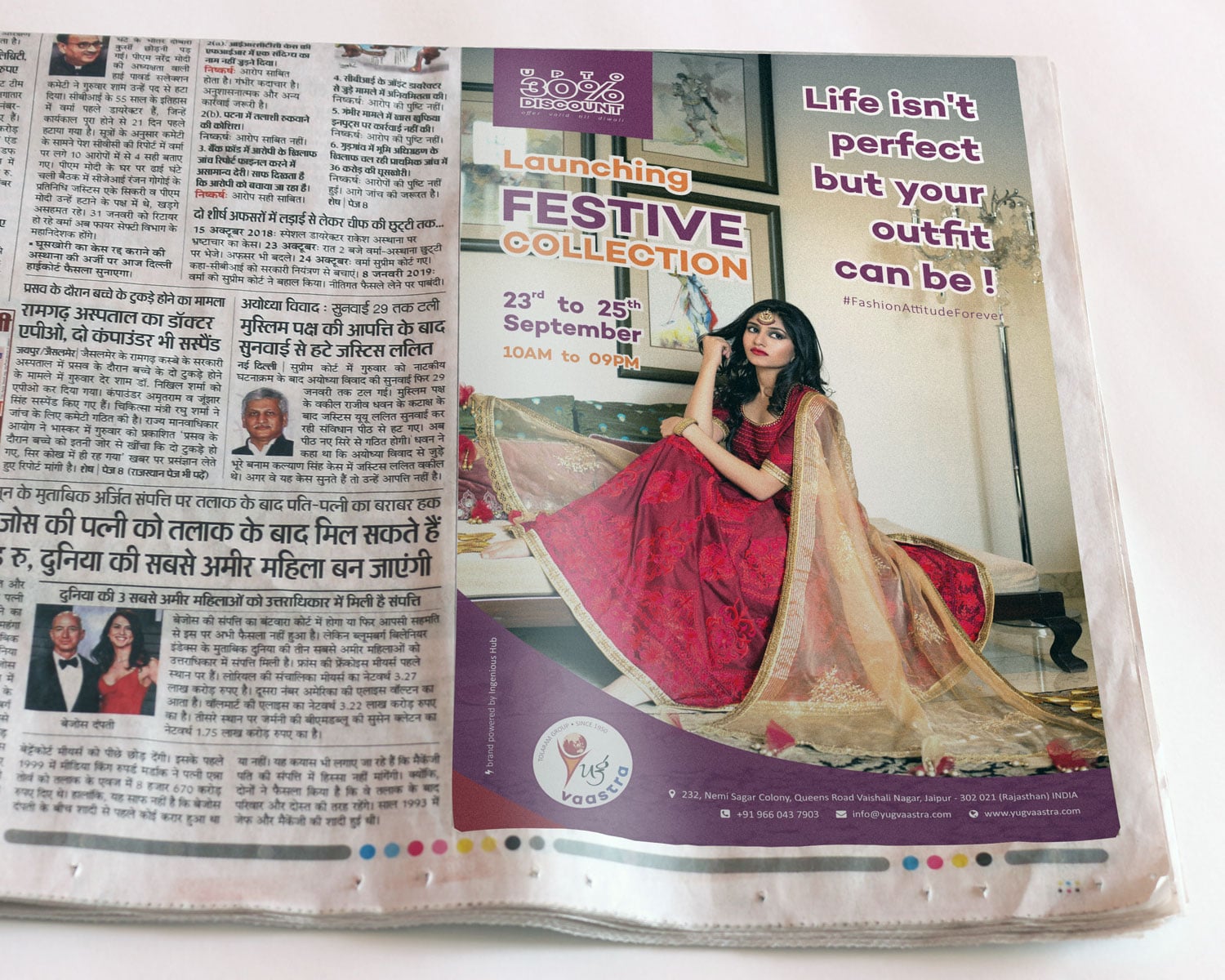
Fintech & Advisory
In money, people buy certainty. The brand has to earn the second look before the interface earns the click.
How we approach Fintech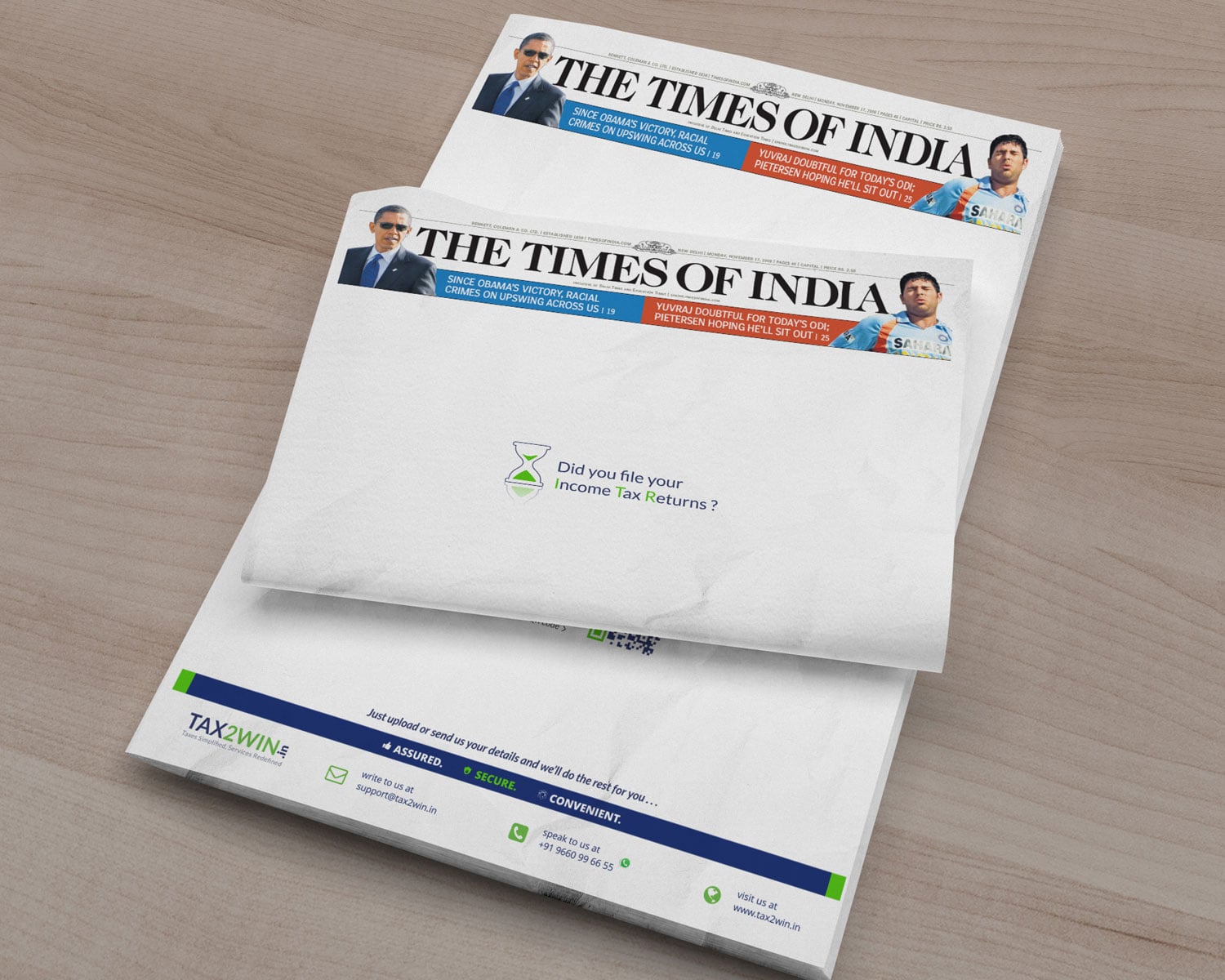
Healthcare & Wellness
The work may be clinical, community-led or consumer, but the audience is anxious. Clarity and care are the brand.
How we approach Healthcare
Public-good & Mission
Foundations and missions are judged on trust, and so are public programmes. We bring the rigour of commercial brands to them.
How we approach Public good
B2B & Technology
Buyers are technical and sceptical, with little time. The brand has to be as precise as the product.
How we approach B2B / Tech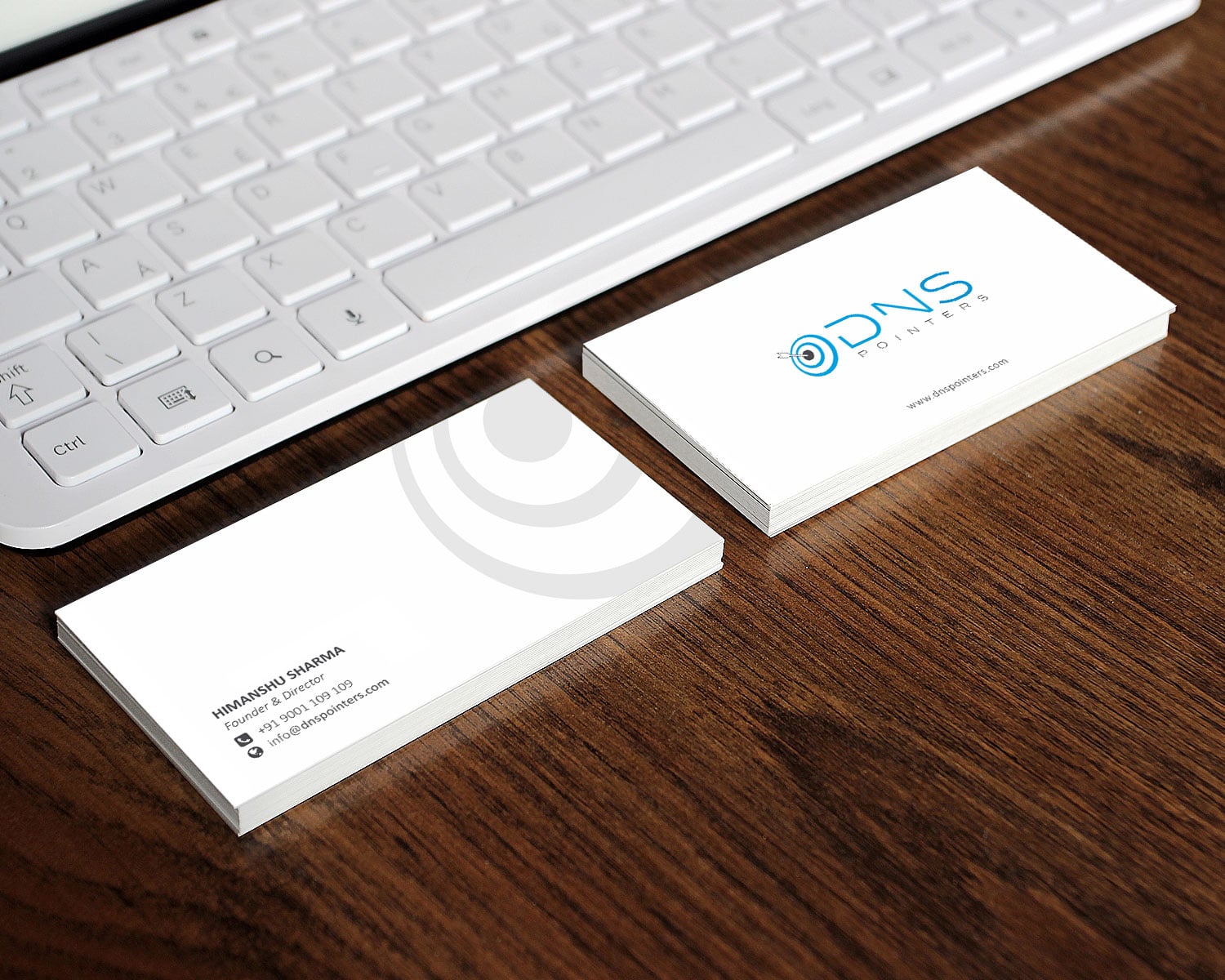
Media & Events
Festivals and broadcasts need one identity that works in every format in the same week. Publishers do too.
How we approach Media & events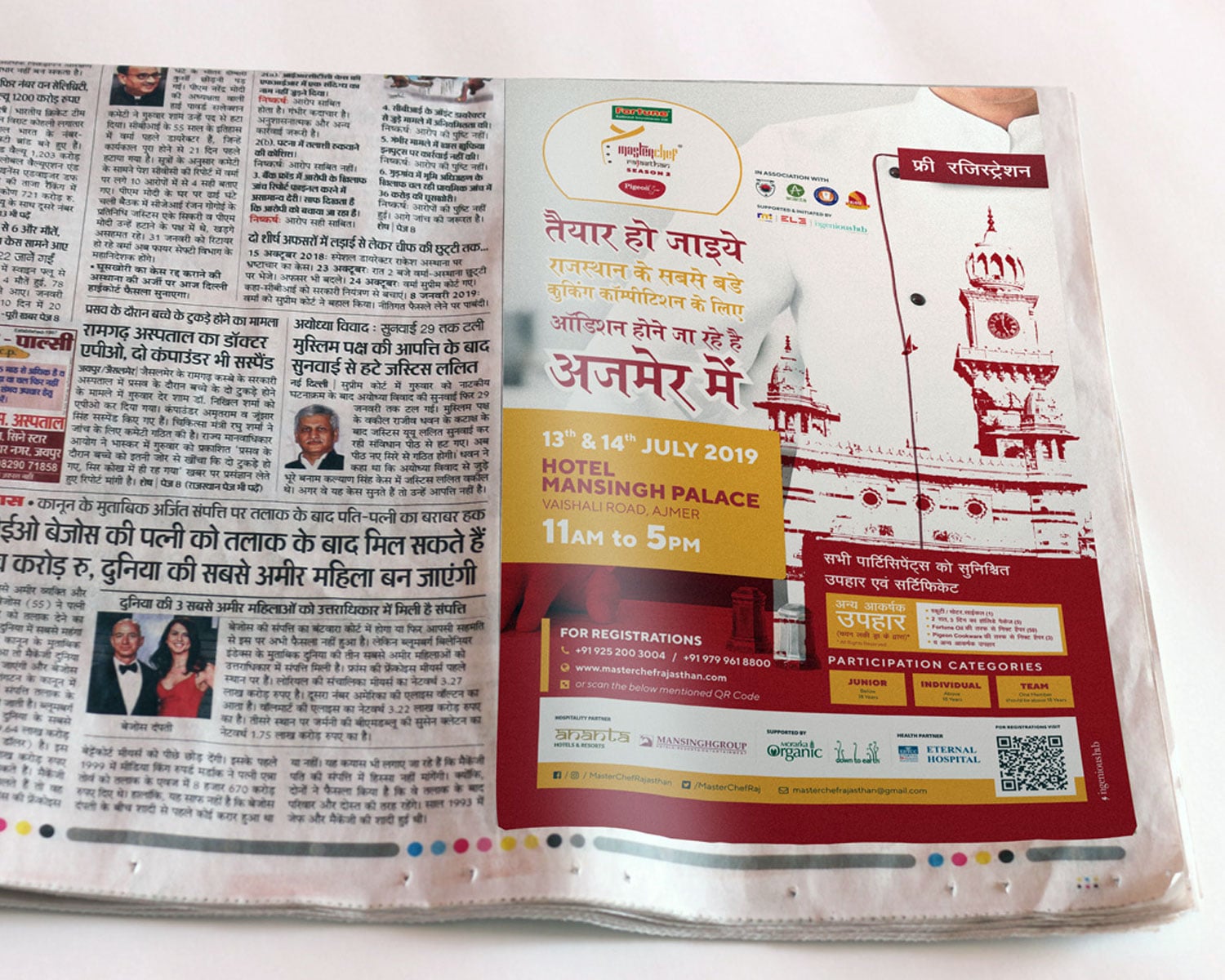
What we look for in each sector
A line on how our thinking changes from one category to the next. The sector pages go further.
Education and edtech
Who is deciding, the student or the parent, and when in the year? Admissions seasons shape what to say and where to say it. They also set how quickly the next step must be obvious. Education work
D2C and lifestyle
A brand has to work on a shelf, and in a feed, and on a marketplace listing. We design the pack and the page and the post as one family. We watch for places where the product's story is lost. D2C work
Fintech and advisory
The product is trust, so clarity is the design. Plain wording usually beats a clever idea. A calm structure and visible credentials help too. Fintech work
Healthcare and wellness
People arrive worried. The brand should feel steady and kind. Practical details such as location and hours should never be more than a tap away, and neither should how to book. Healthcare work
Public good and mission
Supporters want to know what happens to their time or money. We help organisations say it plainly and show the work. They end up looking as professional as the cause deserves. Public-good work
B2B and technology
The buyer is technical and the product is hard to see. We make the case the product cannot make alone. That means a clear promise with honest proof, and a site that answers the sceptic. B2B work
Media and events
An identity that must hold on a stage and on a screen, and on a hoarding in the same week, to a date that does not move. Systems and templates matter as much as the mark. Media and events work
If you sit between categories
Many good businesses do not fit one box: a clinic that is also a brand, a school with an online arm, a product with both a consumer and a trade audience. In that case we start with whichever customer decides first and design the rest around them.
If you are not sure how to describe your category, that is a useful sign in itself. It is often where the positioning work is, and where the brand health check and the free audit are the right first step.
Not sure which of these you are? Tell us what you’re trying to build.
Plenty of brands sit between categories. Send us the brief you have, even a rough one. We’ll tell you how we’d think about it.
or write to hello@ingenioushub.com. We reply within four working hours.